Peace Is Not One Idea: Reflections on a Decade of Peacebuilding Across Continents
There is one lesson that has fundamentally changed the way I think about peace after more than a decade working in peacebuilding.
Peace is not one idea.
It is not one definition, one strategy, one institution, or one ideology.
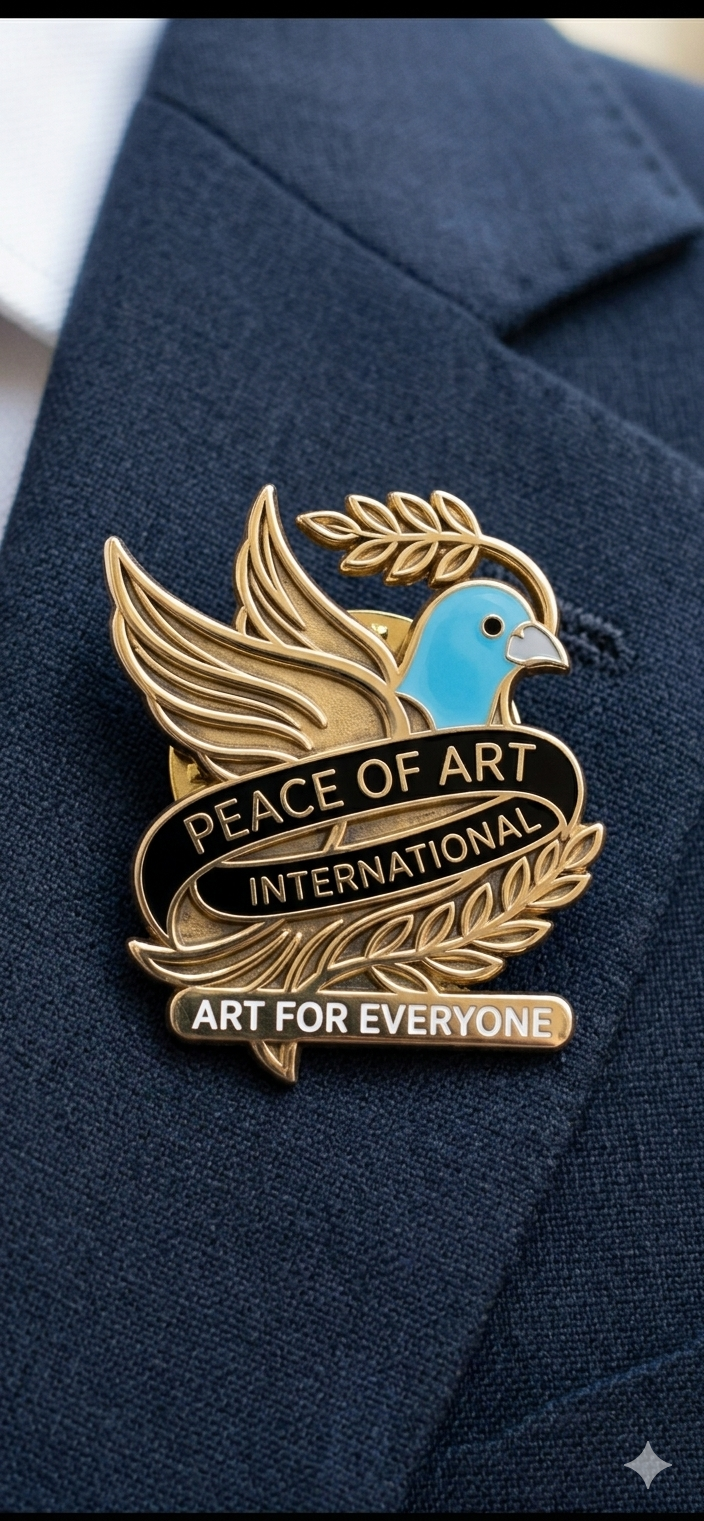
Every country understands peace differently. Every organization has its own peacebuilding approach. Every peacebuilder carries their own vision of what peace should look like. Even governments, civil society organizations, international institutions, and local communities often work toward completely different versions of what they all call “peace.”
For years, I believed that peacebuilding was about bringing people together through dialogue and mutual understanding. While I still believe that today, my experience has taught me that before we can build peace, we must first understand that people are not even trying to build the same peace.
Through building Peace of Art International and expanding our work across three continents—from Lebanon in Asia, to Germany in Europe, and the United States in North America—I have had the privilege of listening to hundreds of people from different cultures, religions, political backgrounds, and professional fields.
Each experience has taught me something new.
More importantly, each experience has challenged what I thought I already knew.
Everyone Wants Peace… Even Those We Consider Our Opponents
One observation has stayed with me wherever I travelled.
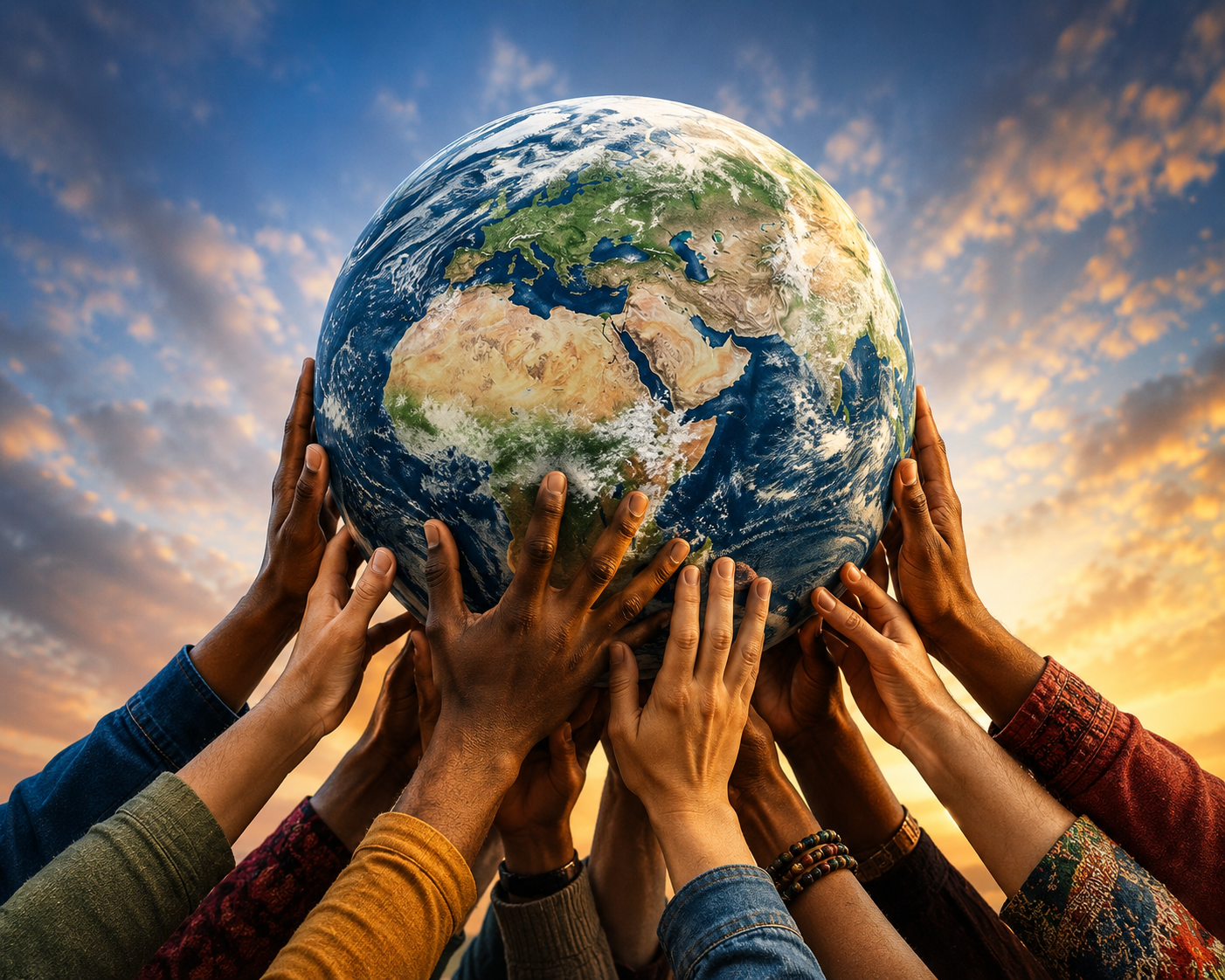
Even the most radical people want peace.
Whether they are on the far right, the far left, religious extremists, nationalist movements, revolutionary groups, or political actors with opposing worldviews, almost everyone claims they are working for peace.
At first, this seemed contradictory.
How can people who justify violence also speak about peace?
The answer, I realized, is simple.
They are not pursuing the same peace.
Some want peace only for their own nation.
Others want peace only for their own religious community.
Some believe peace comes after defeating what they consider their enemies.
Others believe peace can only exist once their ideology becomes dominant.
Some believe peace is achieved through military strength.
Others see peace as political agreements between governments.
And there are those who believe that peace can only be fair when no one is excluded, when justice accompanies reconciliation, and when every human being is treated with dignity regardless of their identity.
Everyone uses the same word.
Very few mean the same thing.
That, in my opinion, is one of the greatest challenges facing peacebuilding today.
Peacebuilding Is Different Everywhere
People often speak about peacebuilding as though it were a universal discipline.
It is not.
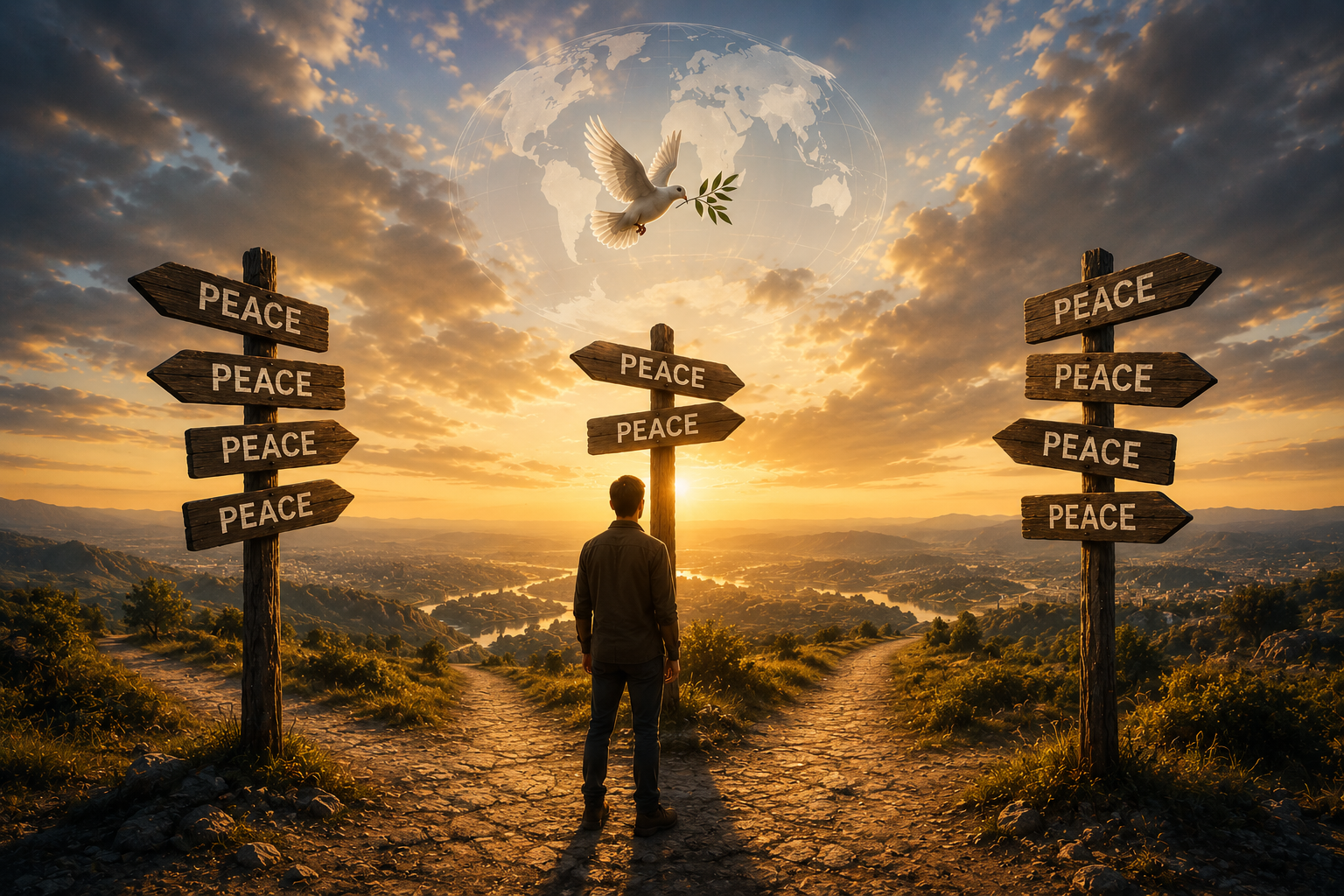
Peacebuilding changes from one country to another.
It changes from one organization to another.
It changes from one institution to another.
Even within the same country, two organizations working under the title of “peacebuilding” may have completely different goals, different priorities, and different definitions of success.
This became very clear to me while working across different continents.
In Europe, particularly within European Union institutions, peacebuilding is often connected to democracy, human rights, civic participation, dialogue, and institutional cooperation.
These are valuable principles, and Europe has much to teach the world about reconciliation after devastating wars.
At the same time, I also discovered that the European peacebuilding model has its own limitations.
Like every model, it is influenced by history, politics, funding priorities, institutional frameworks, and strategic interests.
There are conversations that receive significant attention and support.
There are also conversations that are considered sensitive, controversial, or simply outside institutional priorities.
This does not make the European model wrong.
It simply reminds us that peacebuilding is never neutral.
Every institution develops its own narrative of peace.
Lebanon: Where Peace Has a Different Meaning
Returning to Lebanon always reminds me that peace has a completely different meaning depending on where you stand.
For many Europeans, peace is something they inherited.
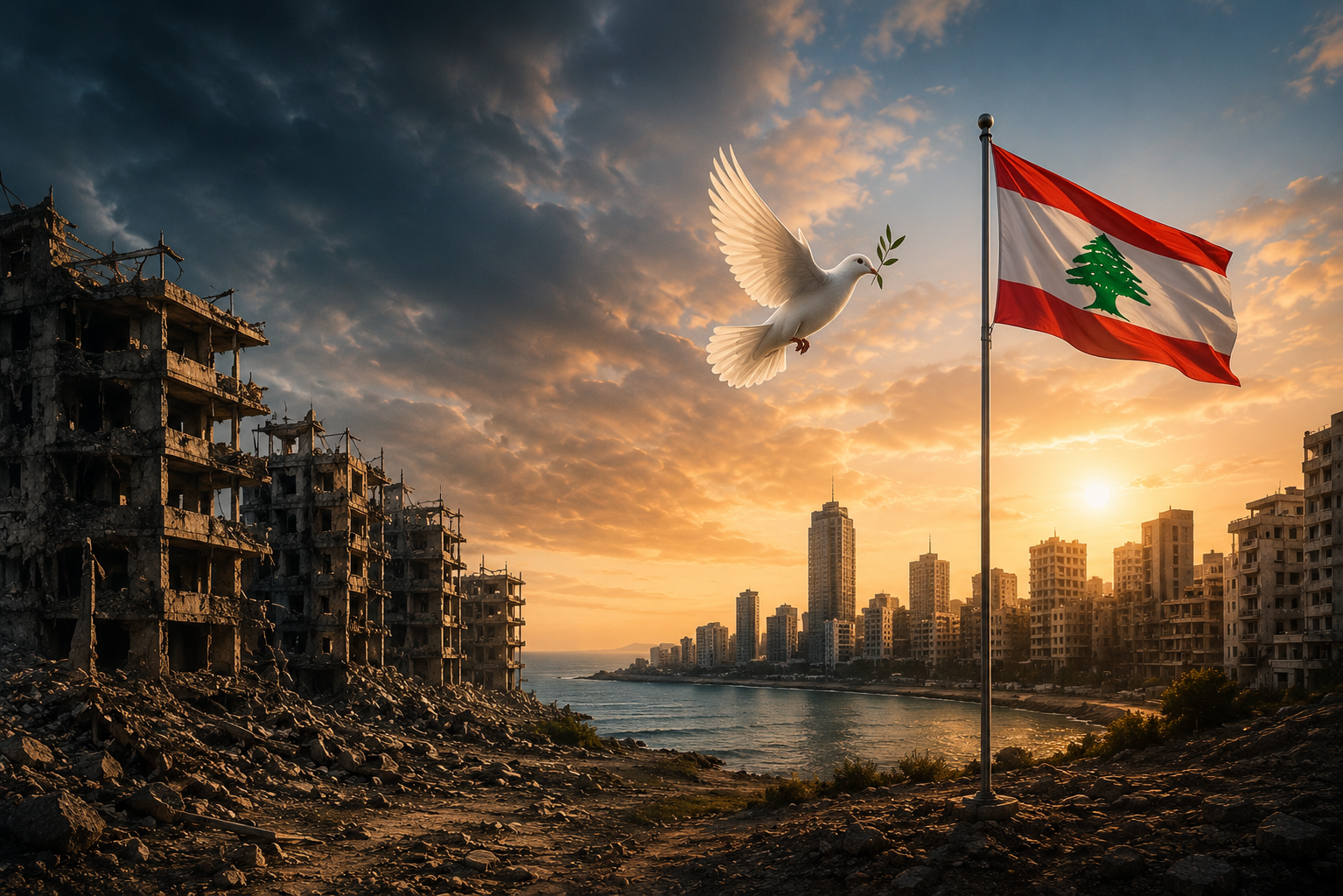
For many Lebanese, peace is something they are still searching for.
Peace in Lebanon is not an academic concept.
It is not a conference theme.
It is not simply a policy discussion.
It is part of everyday life.
It is connected to memories of war, economic collapse, political instability, displacement, fear, and uncertainty.
Almost everyone in Lebanon says they want peace.
But again, they are not talking about the same peace.
Some believe peace comes by defeating those they consider enemies.
Some believe peace will only come through negotiations and diplomatic agreements with neighbouring countries.
Others believe peace cannot exist unless it is fair, inclusive, and protects the dignity of every person without exception.
Living among these different perspectives has taught me that peacebuilding is rarely about finding easy answers.
It is about learning to navigate complexity.
Walking on a Very Tiny Line
As the founder and Chair of Peace of Art International, I often feel that I am walking on a very tiny line.
I listen to people from every side.
I sit with individuals who completely disagree with one another.

I hear different fears.
Different hopes.
Different historical narratives.
Different interpretations of justice.
Sometimes people ask me which side I support.
My answer surprises them.
I support dialogue.
Listening does not mean agreeing.
Understanding does not mean surrendering your principles.
Dialogue is not weakness.
Dialogue is courage.
It takes courage to sit with someone whose experiences are completely different from yours.
It takes courage to question the narratives you inherited.
It takes courage to accept that your own understanding of peace may not be complete.
Fear Builds Hatred, Not Knowledge
Coming from a diverse background and working with people from many different cultures has convinced me of one thing.
Hatred of the different other is built mostly on fear and ignorance—not on knowledge and curiosity.
People rarely hate those they truly know.
They fear those they have never tried to understand.
Ignorance allows stereotypes to grow.
Fear transforms stereotypes into prejudice.
Prejudice eventually becomes discrimination.
And discrimination can become violence.
As the laureate of the 2026 Bremen Peace Award, I have become even more convinced that dialogue is not a luxury.
It is a necessity.
Dialogue is the only bridge that allows fear to become understanding.
Without dialogue, people continue speaking about one another.
With dialogue, they finally begin speaking with one another.
Religion Is Not the Enemy
Throughout my journey, I have seen communities using religion to justify hatred toward others.
I have also seen religion inspire extraordinary compassion, forgiveness, solidarity, and peace.
For this reason, I do not believe religion itself is the problem.
Religion is one of the most powerful tools available to humanity.
Like politics, education, culture, media, or technology, it can be used to build peace or to justify war.
Within every religion, there are teachings that encourage mercy, acceptance, coexistence, and respect for human dignity.
Within every religion, there are also texts that have been interpreted differently throughout history, sometimes to justify exclusion or conflict.
The question is not whether religion creates peace or conflict.
The question is which interpretation leaders choose to promote, and how communities choose to live their faith.
Religion has the power to unite people.
It also has the power to divide them.
Peacebuilders cannot ignore that reality.
Peace Is Bigger Than Any One Discipline
Perhaps the greatest lesson I have learned is that peacebuilding is not one profession.
It is not one project.
It is not one conference.
It is not one dialogue session.
Peacebuilding is the intersection of education, politics, culture, religion, diplomacy, psychology, economics, media, youth engagement, the arts, leadership, and countless other disciplines.
If one of these dimensions is ignored, peace becomes fragile.
That is why I continue developing new educational curricula, writing articles, delivering lectures, building international partnerships, creating artistic initiatives, and exploring new ideas that push peacebuilding beyond traditional approaches.
Peacebuilding should continue evolving.
Our understanding of peace should evolve with it.
The Peace I Choose to Build
After everything I have experienced over the past decade, I no longer ask whether people want peace.
Most people do.
Instead, I ask a different question.
What kind of peace are we trying to build?
Is it a peace that belongs only to one nation?
One religion?
One ideology?
One political movement?
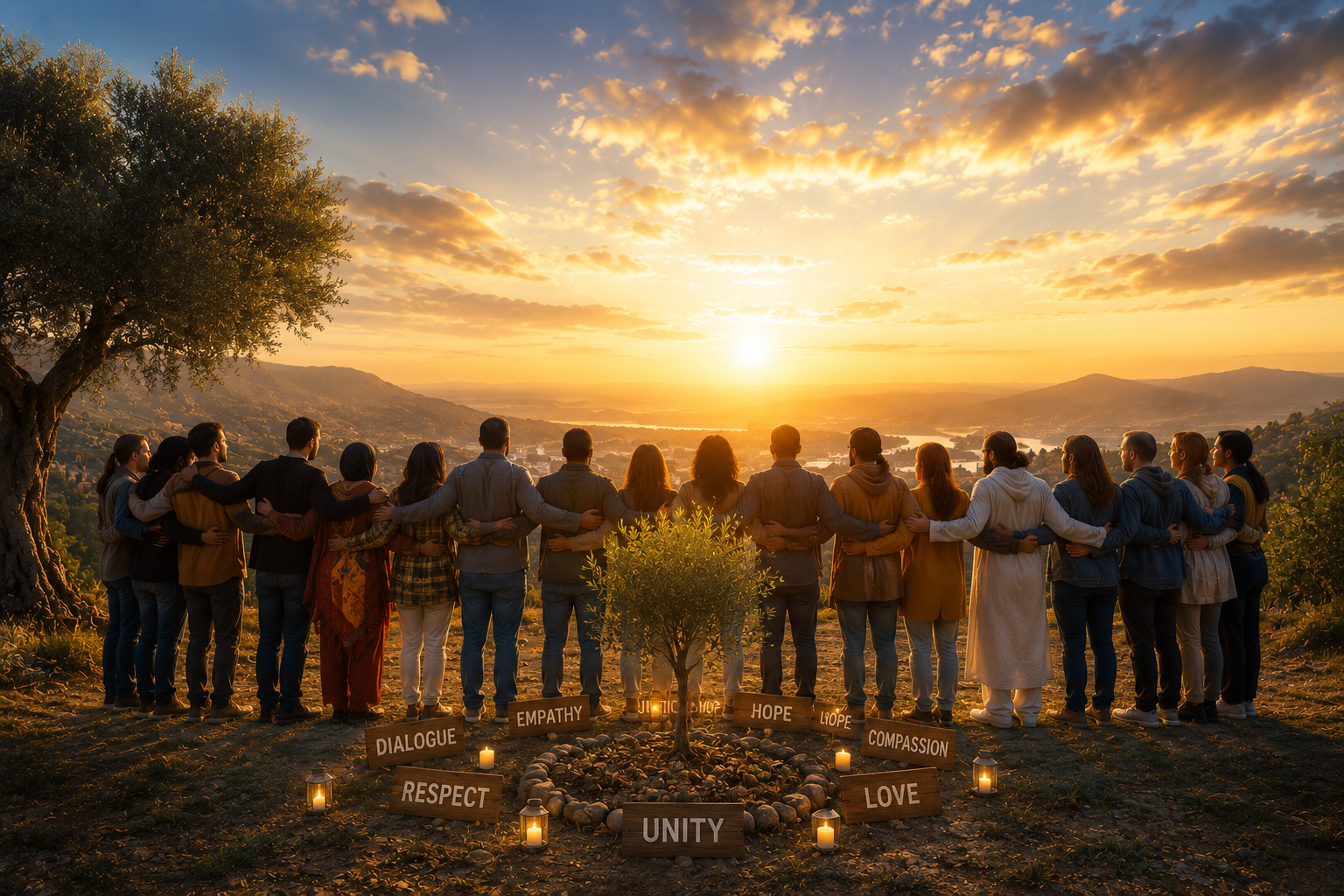
Or is it a peace that belongs to everyone?
My dream is simple.
I dream of a world where people are not afraid of one another because they took the time to know one another.
A world where education teaches curiosity instead of fear.
Where culture celebrates diversity instead of rejecting it.
Where religion becomes a bridge rather than a weapon.
Where politics serves humanity instead of dividing it.
Where dialogue becomes stronger than hatred.
Above all, I dream of a world where every human being can accept the other under the umbrella of one shared humanity.
That is the peace I have dedicated my life to building.
It is the peace I will continue working toward through Peace of Art International.
And I believe it is a peace worth building together.
A Reflection by Mahdi Yahya
Founder & Chairman, Peace of Art International | 2026 Bremen Peace Award Laureate
